Welcome to this comprehensive guide, where we delve into the myriad of effective strategies designed to ensure your home remains a haven of warmth and energy efficiency amid the winter chill. As the temperature drops, maintaining a comfortable and cost-effective home environment becomes a priority for many. This guide will walk you through practical tips and detailed explanations that address both the need for a warm living space and the desire to keep energy consumption in check.
Winter, with its frosty mornings and long, cold nights, can often lead to increased energy usage as we seek to stay warm and cozy. However, with thoughtful planning and implementation of the right techniques, you can enjoy the comforts of a well-heated home without burdening your energy budget. From easy fixes such as sealing drafts to adopting more involved solutions like upgrading insulation, we cover a spectrum of options for homeowners.
Throughout this guide, we aim to provide clear and detailed insights into each method, ensuring that you have the knowledge to make informed decisions that best suit your home’s unique requirements. Whether your goals are to reduce heating costs, minimize environmental impact, or simply make your living spaces more comfortable, the following sections offer valuable advice to achieve these objectives. Join us as we explore the diverse ways to create a warm sanctuary during the coldest months of the year, all while maintaining energy efficiency and sustainability in mind.
2. Is heat pump installation suitable for my house?
Pros and cons of heat pumps
Considering a heat pump installation is an excellent step toward energy efficiency. Heat pumps can both heat and cool your home, unlike traditional heating systems. However, it’s important to evaluate the specific needs of your home as heat pumps may not be suitable for extreme climates.
Choosing the right heat pump for your needs
Selecting the right heat pump requires careful consideration of your home’s requirements. Energy efficiency ratings and the particular design of your home play a role in choosing the appropriate model. Consulting a professional can help you match a heat pump to your specific needs.
3. What steps should I take for effective HVAC repair?
Common HVAC issues and solutions
HVAC systems can face various issues during operation, affecting heating efficiency. Common problems include blocked filters, malfunctioning thermostats, and refrigerant leaks. Addressing these issues promptly through HVAC repair ensures your system functions optimally throughout winter.
When to call a professional HVAC service
There are signs that clearly indicate the need to call a professional for HVAC repair. These include strange noises, increased energy bills, and inconsistent heating. Professional HVAC services offer expertise and the necessary tools to address complex repairs safely and effectively.
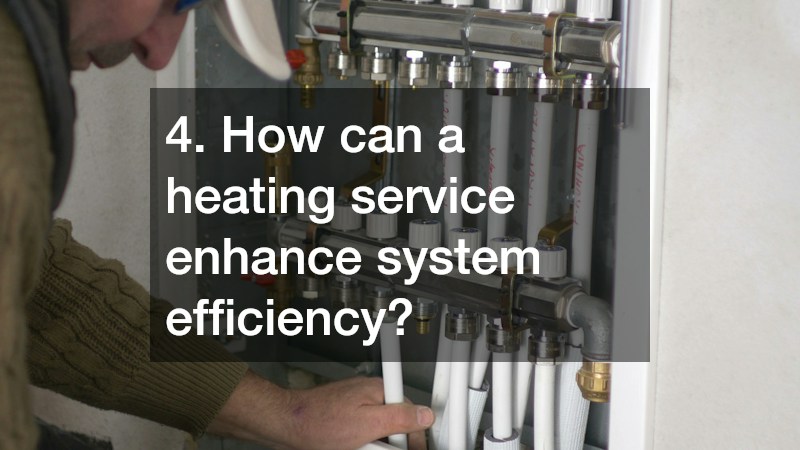
4. How can a heating service enhance system efficiency?
Routine heating maintenance tips
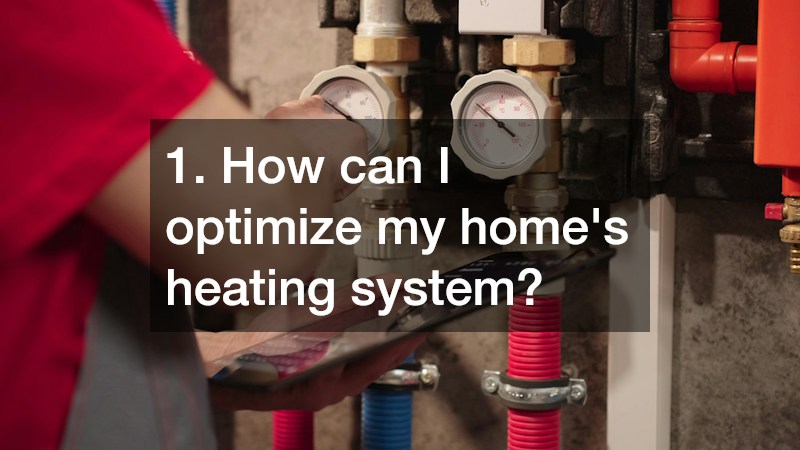
Regular maintenance is crucial for keeping your heating system efficient. Simple tasks like changing filters, cleaning vents, and checking the thermostat calibration can improve performance. Engaging with a reliable heating service ensures these tasks are performed consistently and correctly.
Benefits of professional heating inspections
Professional inspections can identify overlooked issues that might harm heating efficiency. Certified technicians can provide comprehensive assessments and solutions, extending the lifespan of your system. Regular heating service visits form an essential part of an efficient home heating strategy.
5. What considerations are important for water heater repair?
Detecting signs of water heater trouble
Your water heater is key to maintaining comfort during winter. Look out for signs such as a lack of hot water, strange noises, and water leaks. Early detection and water heater repair can prevent larger issues and ensure consistent hot water availability.
DIY vs. professional water heater repair
For some water heater issues, DIY repairs might be feasible, such as resetting the thermostat. However, more complex problems like leaks or faulty heating elements may need professional intervention. Understanding when to seek professional water heater repair is crucial for safety and efficiency.
6. Why is drain cleaning service crucial for winter months?
Preventing clogged drains during winter
Winter can pose unique challenges to your home’s drainage system due to cold weather. Clogged drains can lead to backups and property damage, emphasizing the importance of preventative maintenance. Regular drain cleaning service can prevent these issues and maintain proper water flow.
Choosing a reliable drain cleaning service
Selecting a reputable drain cleaning service ensures effective maintenance. Look for professionals with strong credentials and positive customer reviews. A well-serviced drainage system contributes to a warm and comfortable home environment throughout the winter.
7. Can flooring store selections impact home warmth?
Types of flooring that retain heat
The choice of flooring in your home impacts its thermal efficiency. Carpeting and certain types of wood flooring are excellent for heat retention. Ensuring that your selections from a flooring store meet your heating needs can help maintain a cozy home.
Insulation benefits of carpet and wood flooring
Carpet provides excellent insulation, trapping heat and reducing drafts. Wood flooring, when properly installed, can also improve heat retention. Making informed decisions when visiting a flooring store can enhance your home’s energy efficiency greatly.
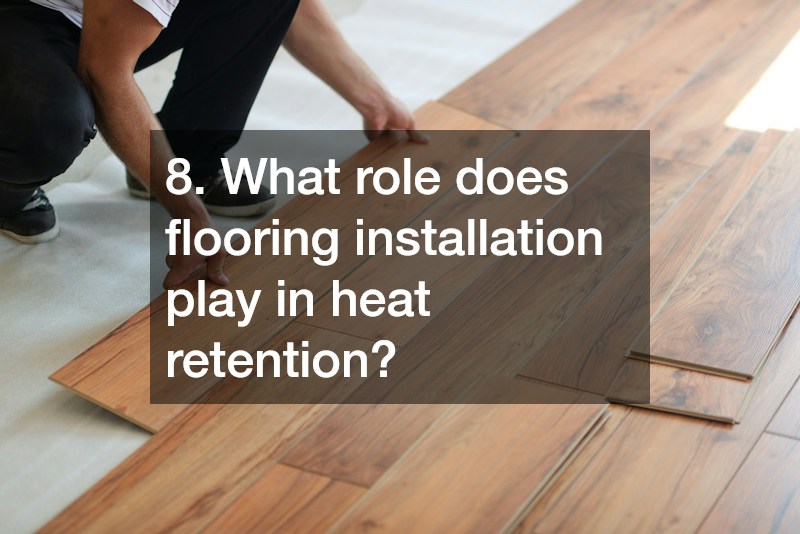
8. What role does flooring installation play in heat retention?
Importance of proper flooring installation
Proper installation is as crucial as the choice of flooring material itself. Incorrect flooring installation can result in gaps and insufficient insulation. Consulting professionals ensures that your flooring contributes effectively to home warmth.
Impact of subflooring on heat efficiency
Subflooring choices have a significant impact on heat retention in your home. Properly insulated subflooring materials can reduce heat loss and improve your overall heating efficiency. Consideration of subflooring options is essential in achieving optimal warmth.
9. When is window replacement necessary for better insulation?
Identifying inefficient windows
Ineffective windows can be a major source of heat loss in your home during winter. Drafts or condensation are clear signs that your windows may need replacing. Window replacement can greatly enhance insulation and reduce energy consumption.
Benefits of energy-efficient window models
Modern energy-efficient windows offer impressive improvements in insulation. They are designed to minimize heat loss while still allowing natural light to enter. Choosing window replacement with energy-efficient options can yield significant savings on heating costs.
10. How does proper sealing and weatherproofing affect heating?
Techniques for sealing drafts
Sealing drafts is an effective way to improve your home’s heating efficiency. Simple methods like using caulk or weatherstripping can prevent unwanted cold air entry. Ensuring all potential gaps are sealed enhances your home’s ability to retain heat.
Weatherproofing against winter chills
Weatherproofing includes measures like installing draught excluders and using door sweeps. These act as barriers against cold air ingress, contributing to a warmer home environment. Proper weatherproofing is a cost-effective way to bolster your home’s heating system.
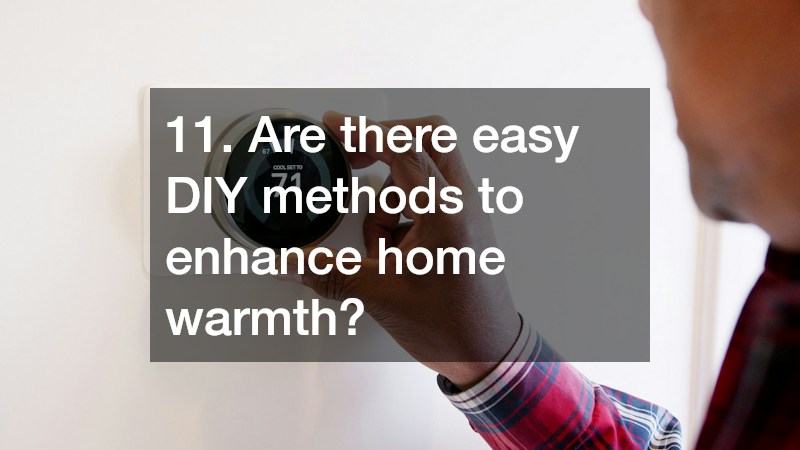
11. Are there easy DIY methods to enhance home warmth?
Simple insulation improvements
There are several DIY methods to boost insulation without significant renovations. Adding insulation to attic spaces or using insulated drapes can quickly improve warmth. These improvements complement your existing heating strategies effectively.
Utilizing textiles for additional warmth
Incorporating textiles such as heavy curtains and area rugs can effectively retain heat. These materials act as additional barriers, reducing heat loss through windows and floors. Utilizing textiles is a stylish and practical way to enhance your home’s warmth.
12. What impact does garage door service have on home heating?
Sealing Garage Doors for Improved Insulation
A well-sealed garage door can play a crucial role in maintaining the warmth of your home, particularly if your garage is attached. Porous or poorly sealed garage doors can become a source of heat escape, leading your heating system to work harder than necessary. By ensuring that garage doors are properly sealed, you can mitigate cold drafts that may seep into your home and disrupt the comfortable, warm environment you seek to maintain during colder months.
Weatherstripping is a practical solution to enhance the seal around garage doors. It is a simple yet effective method to combat unwanted airflow. When properly installed along the edges of garage doors, weatherstripping creates a barrier that reduces drafts, efficiently preventing warm air from escaping and cold air from infiltrating your living space. That’s why regular garage door service is essential; it helps in maintaining the effectiveness of these weather-proofing measures, ensuring your home’s insulation remains optimal.
Insulated Garage Door Options
Opting for insulated garage doors is an investment in your home’s energy efficiency. These doors are designed with materials that provide layers of insulation, which are key to reducing heat loss from your garage. Insulated garage doors come with the advantage of maintaining a more consistent temperature within the garage itself, thereby helping to shield adjacent rooms from the bitter chill that can penetrate through lesser-insulated barriers.
The choice of an insulated garage door is particularly beneficial in regions that experience harsh winters, as it provides an effective shield against the external cold, ensuring that the interior of your garage and the homes adjoining it retain heat more efficiently. Moreover, insulated doors not only keep the warmth in but also contribute to the noise reduction from the outside, creating a quieter, more serene indoor environment. In the long run, insulated garage doors can lead to significant savings on energy bills by reducing the need for your heating system to compensate for lost warmth, making them a wise, energy-conscious choice for any homeowner.
13. How can smart technology enhance home heating?
Integrating Smart Home Devices
Smart technology, a marvel of modern innovation, has the potential to significantly transform the way homeowners manage their home heating systems. Imagine having complete control over your home’s heating from anywhere in the world, thanks to smart devices. By integrating these state-of-the-art technologies, homeowners are empowered to both monitor and finely adjust their heating systems remotely. This smart integration not only offers unprecedented convenience but also ensures that heating systems operate with a level of precision that was previously unattainable. Each adjustment can be made in response to real-time data, facilitating a tailored and energy-efficient heating experience. This means that homeowners can enjoy optimal warmth in their homes while simultaneously minimizing the environmental impact and saving on energy costs.
Automation and Energy Savings
The automation of heating systems is a game-changer for energy conservation and home comfort. By embracing automation, homeowners can enjoy scheduled heating adjustments that take place without any manual intervention. This means your home can begin warming up just before you arrive, ensuring comfort the moment you walk through the door, or gradually cool down after you’ve left for work, all happening seamlessly in the background. Moreover, automated systems can analyze real-time data to detect inefficiencies or anomalies, providing insights and adjustments to further enhance energy savings. The result is a finely-tuned heating strategy that not only reduces waste but optimizes energy use, allowing homeowners to lower their utility bills while maintaining a comfortable home environment. Embracing smart technology leads to a more efficient home heating experience, where the balance between comfort and energy savings is expertly managed with the simple touch of a button or a voice command.
Conclusion
As the cold days of winter approach, it’s essential to ensure that your home is not only a warm sanctuary against the chill but also a model of energy efficiency. Tackling the challenges of keeping your home warm doesn’t have to be overwhelming. By strategically implementing these practical fixes, you can achieve a comfortable living environment without seeing a spike in your energy bills.
By combining these strategies, you not only contribute to a more sustainable environment by reducing energy waste but also embrace a cozier, more inviting atmosphere in your home. So, embrace these insights and prepare to enjoy the warmth and serenity of your living space throughout the winter months. Stay cozy, save on energy, and relish the happiness that a well-insulated home can bring!