An overview of important terminology related to roof repairs to help homeowners make informed decisions. Understanding these concepts can empower homeowners to communicate effectively with contractors and make strategic decisions regarding their roof investments. A solid grasp of roofing fundamentals not only aids in problem identification but also in preventing potential issues before they become costly. This article will delve into various roofing materials, explain common repair terminologies, explore warranty details, discuss factors affecting repair costs, and provide guidance on choosing the right contractor.
Armed with this knowledge, homeowners can embark on roof repair projects with confidence and clarity.
What are the different types of roofing materials?
Asphalt Shingles
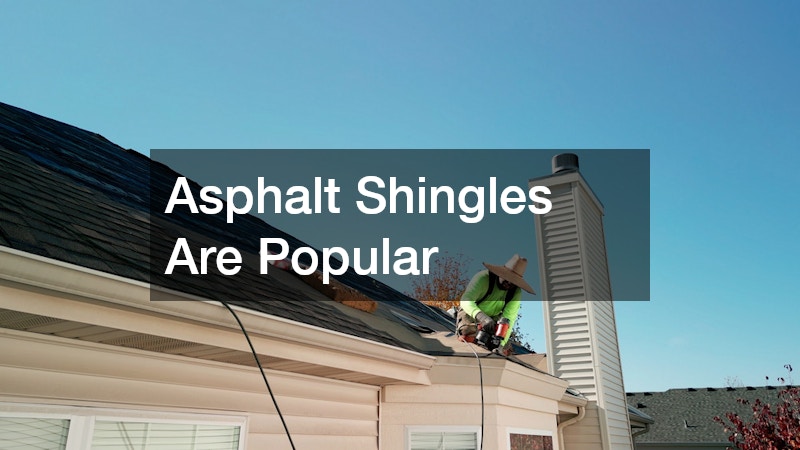
Asphalt shingles are the most widely used roofing material due to their affordability and ease of installation. They offer a reasonable lifespan, typically ranging from 15 to 30 years, depending on the quality of the shingles. One of the main benefits of asphalt shingles is their versatility, available in numerous colors and styles to match various architectural designs. However, they can be susceptible to extreme weather conditions, and proper installation is crucial to prevent issues like leaks. Incorporating asphalt shingles into your home can enhance its aesthetic while providing reliable protection against the elements.
Metal Roofing
Metal roofing is gaining popularity due to its durability and energy efficiency. It provides excellent resistance against extreme weather conditions, such as heavy snowfall and hail, making it a robust option for homeowners. Metal roofs can last 40 to 70 years, far surpassing the lifespan of traditional roofing materials. While the initial cost is higher compared to alternatives like asphalt shingles, the long-term savings on maintenance and energy bills can justify the investment. Furthermore, metal roofing is environmentally friendly as it is often made from recycled materials and is fully recyclable at the end of its life.
Tile Roofing
Tile roofing is characterized by its distinctive appearance, adding a touch of elegance and charm to any home. Tiles are available in various materials, including clay, concrete, and terracotta, each offering its unique set of benefits. Renowned for their longevity, tile roofs can last over 50 years, with proper maintenance extending their life even further. Additionally, they provide excellent insulation, contributing to energy efficiency by keeping homes cool in the summer and warm in winter. Despite their many advantages, tile roofing can be more expensive than other materials and requires a reinforced structural support due to its weight.
Slate Roofing
Slate roofing offers unmatched beauty and longevity, with the capability to last more than a century. It is well-known for its natural appearance, providing homes with a timeless elegance that is hard to replicate. The non-combustible nature of slate also adds a safety advantage, reducing the risk of fire damage. Although slate roofs require professional installation due to their weight and complexity, their durability often offsets the initial investment. Homeowners who choose slate can enjoy a lifetime of minimal maintenance while adding significant value to their property.
Wood Shingles
Wood shingles and shakes present a rustic and natural aesthetic that complements many architectural styles. Made from cedar, redwood, or pine, they offer a unique look that can enhance home curb appeal. Wood roofing provides decent insulation, which can result in energy savings over time. However, they require regular maintenance to prevent issues related to moisture and insects. While wood shingles can last up to 30 years with proper care, environmental factors can influence their longevity and performance, making them better suited for certain climates.
How can I identify common roof repair terminology?
Flashing
Flashing is a critical component in roofing, designed to prevent water penetration at joints or seams. Typically made of metal, flashing is installed around areas prone to water infiltration, such as chimneys, skylights, and vents. Proper flashing installation is vital, as poorly installed or damaged flashing can lead to leaks and water damage. Regular inspections can help identify any flashing issues early, allowing for timely repairs. Understanding the significance of flashing can save homeowners from extensive water-related damage and costly repairs in the long run.
Soffits
Soffits are the exposed surfaces beneath the roof eaves, playing a crucial role in ventilation and aesthetics. They help improve air circulation within the attic, preventing moisture buildup and reducing the risk of mold and mildew. Soffits are typically made from materials like wood, vinyl, or aluminum and are available in various colors and styles to match the home’s exterior. Keeping soffits clean and well-maintained is essential to ensure optimal ventilation and curb appeal. Integrating ventilated soffits can enhance attic airflow, contributing to a healthier roofing system.
Fascia
The fascia is the horizontal board installed at the edge of the roof, directly beneath the shingles. It provides structural support for the roof’s edge and serves as a barrier against the elements. Apart from functionality, fascia boards also contribute to the roof’s overall aesthetic. It is important to maintain the fascia in good condition, as damaged fascia can lead to water infiltration and compromise the roof’s structural integrity. Homeowners should periodically inspect fascia boards for signs of decay or damage and address any issues promptly.
Underlayment
Underlayment is a crucial layer of material installed between the roof deck and the roofing shingles. It serves as an additional waterproof barrier, providing extra protection against water infiltration. Common types of underlayment include asphalt-saturated felt, synthetic underlayments, and rubberized asphalt. The choice of underlayment material can affect the roof’s performance, lifespan, and resistance to the elements. Proper installation and selection of underlayment are essential for ensuring the overall effectiveness and longevity of the roofing system.
Roof Vents
Roof vents play a vital role in maintaining a healthy roofing system by ensuring proper ventilation. They help regulate temperature and moisture levels within the attic, preventing the buildup of heat in the summer and reducing condensation in the winter. Common types of roof vents include ridge vents, soffit vents, and turbine vents. Incorporating the right combination of vents can improve energy efficiency and prolong the lifespan of the roofing materials. Adequate attic ventilation is essential for preventing roof damage and lowering energy costs associated with heating and cooling.
What do roof warranties typically cover?
Manufacturer’s Warranty
A manufacturer’s warranty provides coverage for defects in roofing materials. It typically covers issues like manufacturing errors and material failures, ensuring homeowners receive quality products. Manufacturer warranties vary in duration, often ranging from 20 to 40 years, depending on the roofing material. It is essential to read and understand the warranty terms to know what is covered and what is not. Keeping a record of the purchase and installation details is important for warranty claims, should a material defect arise.
Workmanship Warranty
A workmanship warranty is offered by contractors to cover installation-related issues. This type of warranty ensures that the roofing is installed according to industry standards and provides homeowners with peace of mind. The duration of a workmanship warranty can vary, typically lasting from one year to several years, depending on the contractor. It is crucial for homeowners to obtain a detailed workmanship warranty to protect themselves from future installation-related problems. Choosing a reputable contractor with a solid warranty can safeguard against repair costs resulting from installation errors.
Limitations and Exclusions
Roof warranties often come with limitations and exclusions that homeowners should be aware of. Common exclusions may include damage caused by natural disasters, neglect, or improper maintenance. Understanding these exclusions helps homeowners know what repairs will not be covered by their warranty. It is important to perform regular roof maintenance and inspections to avoid voiding the warranty. By adhering to warranty conditions, homeowners can ensure they remain protected for any issues covered under their warranty terms.
Claim Procedures
When a roofing issue arises, following the correct claim procedures is crucial for receiving warranty benefits. Homeowners should report any problems to the manufacturer or contractor promptly and provide all necessary documentation. This information typically includes proof of purchase, warranty details, and photos of the damages. Familiarizing oneself with the claims process can lead to a smoother resolution and prevent delays in addressing roofing issues. Effective communication with contractors and manufacturers is key to successful claims and ensuring covered repairs are undertaken.
Transferability
The transferability of a roof warranty can add value to a home during a sale. Some warranties allow for transfer to a new homeowner, while others do not. A transferable warranty can be an attractive feature for potential buyers, assuring them of continued protection. Before selling a home, homeowners should verify the warranty’s transferability clause and complete any required paperwork. Ensuring a smooth transfer can help facilitate the sales process and provide confidence to the new homeowner in the quality of the roof.
What factors can affect the cost of roof repairs?
Roof Size and Slope
The size and slope of the roof are primary factors that impact the cost of repairs. Larger roofs require more materials and labor, which can increase repair expenses. Similarly, roofs with steep slopes may require specialized equipment or additional safety measures, raising labor costs. Contractors often charge higher rates for repairing roofs that are challenging to access or work on. Understanding these considerations can help homeowners estimate repair costs more accurately and budget accordingly.
Material Choice
The choice of roofing material significantly influences repair costs, with variations in price and availability. High-end materials like slate or tile may come with a premium cost, but they offer enhanced durability and aesthetic appeal. Conversely, budget-friendly options like asphalt shingles may be cheaper initially, but could incur higher repair costs over time. Homeowners should weigh the long-term benefits against the upfront costs when selecting materials for repairs. A strategically-chosen material can offer a balance between cost-effectiveness and performance, resulting in better value in the long run.
Extent of Damage
The severity of the roof damage directly affects repair expenses, with more extensive damage requiring more substantial interventions. Minor repairs, such as replacing a few shingles, may be relatively inexpensive, whereas structural problems necessitate comprehensive solutions. Conducting regular roof inspections can help identify minor issues before they escalate into major repairs, potentially saving homeowners significant costs. Promptly addressing damages can prevent further deterioration and minimize repair expenses. Assessing the scope of the damage is crucial for understanding the anticipated costs and formulating an appropriate repair strategy.
Labor Costs
Local labor rates play a significant role in determining the cost of roof repairs. The cost of labor can vary based on geographical location, with urban areas often demanding higher rates due to increased living expenses. Employing skilled workers with specialized expertise may also affect labor costs, but ensures higher quality repairs. Homeowners should consider obtaining multiple quotes from reputable contractors to ensure competitive pricing. An informed decision based on labor costs can lead to a well-executed repair at a reasonable expense.
Permit and Inspection Fees
Additional costs associated with permits and inspections can impact the overall budget for roof repairs. Many municipalities require permits for certain types of roofing work, and fees can vary by region. These costs should be factored into the repair budget to avoid unexpected expenses. Inspections may also be necessary to ensure the roofing work complies with local building codes and standards. Understanding and preparing for these additional fees can help homeowners plan their repair projects effectively and avoid any legal or regulatory issues.
How do I choose the right roofing contractor?
Experience and Reputation
Choosing the right roofing contractor involves evaluating their experience and reputation in the industry. A contractor with extensive experience is more likely to deliver quality work and handle unexpected challenges. Customer reviews and referrals can provide insights into a contractor’s reliability and professionalism. It is advisable to request examples of past work to assess their capabilities and workmanship. Selecting a contractor with a strong reputation in the community ensures that homeowners receive a satisfactory outcome and that their investments are well-protected.
Licensing and Insurance
Verifying a contractor’s licensing and insurance coverage is crucial before beginning any roofing project. Proper licensing indicates that the contractor meets industry standards and adheres to local regulations. Additionally, adequate insurance coverage protects homeowners from liability in case of accidents or damage during the project. Checking a contractor’s credentials can prevent potential problems and ensure that roofing work is performed safely and legally. Homeowners are encouraged to request proof of licensing and insurance to ensure compliance and reduce risks.
Estimates and Bids
Obtaining and comparing estimates and bids from multiple contractors is vital for making an informed decision. Detailed estimates should include a breakdown of costs, materials, and timelines to provide a clear understanding of what is involved. Comparing bids enables homeowners to identify any discrepancies and ensure they are receiving fair pricing. It is important to consider the overall value offered by each contractor rather than focusing solely on cost. Homeowners should select a contractor who offers competitive pricing while maintaining quality and transparency.
References and Past Work
Reviewing a contractor’s references and past work is an essential step in selecting the right professional for a roofing project. Speaking with previous clients can provide valuable information about a contractor’s reliability, communication, and problem-solving abilities. Additionally, reviewing portfolio samples can help gauge a contractor’s expertise and style. Contacting references allows homeowners to verify the authenticity of a contractor’s claims and assess their compatibility with the project’s demands. Thorough research into past work and client feedback can guide homeowners in choosing a trustworthy contractor.
Contract Details
Ensuring that contract details are comprehensive and clearly outlined is key to a successful working relationship with a roofing contractor. The contract should include important elements such as project scope, timelines, pricing, payment terms, and warranty information. A well-defined contract minimizes misunderstandings and disputes, providing a framework for accountability. Homeowners should review all terms carefully and seek clarification for any ambiguous clauses. A detailed and transparent contract safeguards homeowners’ interests and ensures an orderly project execution.
In conclusion, understanding the essential terms and considerations related to roof repairs empowers homeowners to make informed decisions and engage confidently in repair projects. By familiarizing themselves with different roofing materials, core repair terminologies, warranty details, cost factors, and contractor selection criteria, homeowners can navigate the complexities of roof repairs more effectively. Applying this knowledge can result in successful roof repair projects that enhance both the aesthetic and structural integrity of a home. Staying informed and proactive about roof maintenance can prevent costly issues and enhance property value over time. This comprehensive guide aims to equip homeowners with the insights needed to maintain a sturdy, reliable, and beautiful roof.